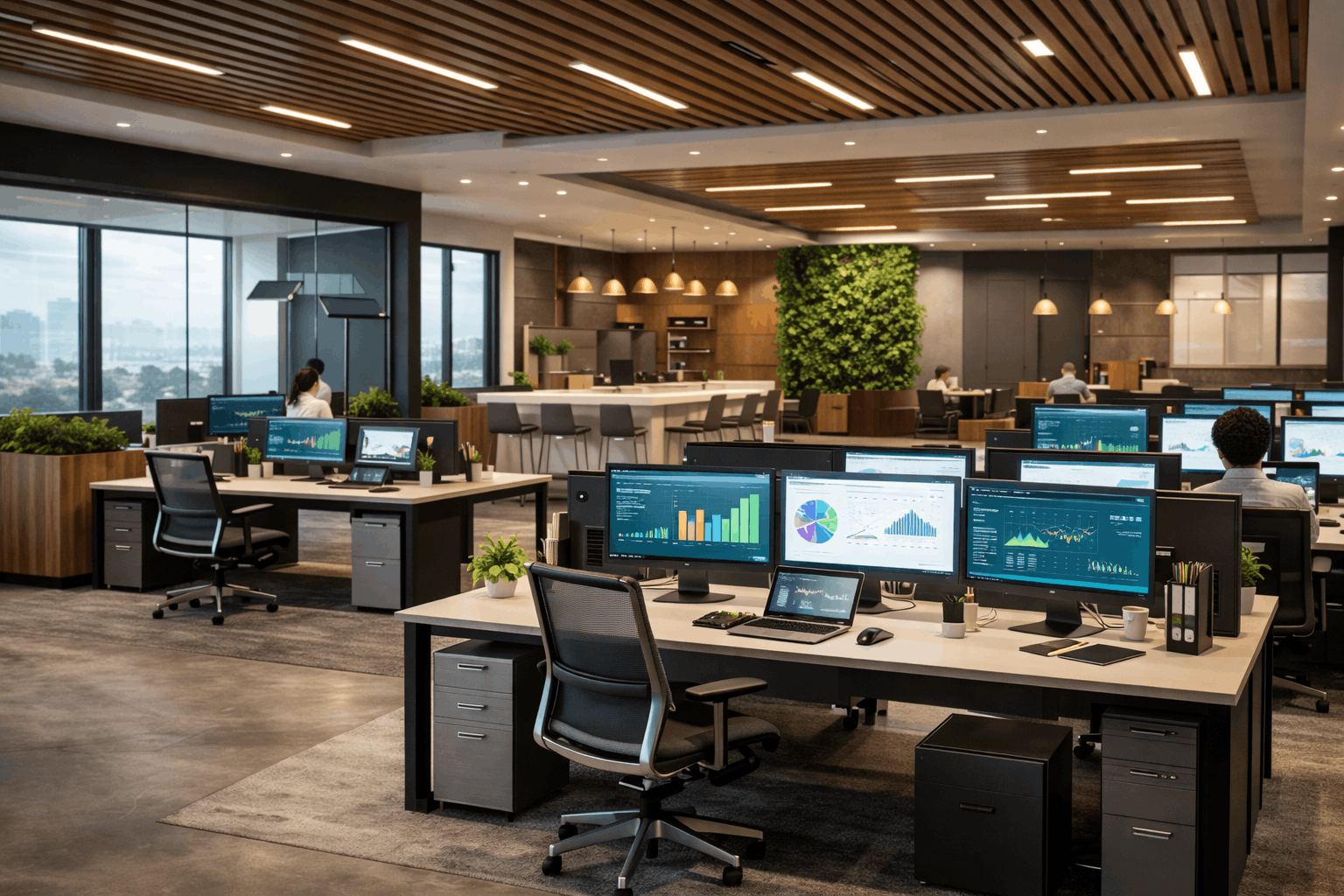
In 2026, corporate interior design is evolving beyond aesthetics to prioritize functionality, employee well-being, and adaptability. As businesses in Nigeria and globally embrace hybrid work models and productivity-driven environments, office spaces are being reimagined to support efficiency, collaboration, and long-term sustainability. Modern corporate interiors are no longer rigid and uniform—they are dynamic, flexible, and strategically designed to enhance performance.
Flexible and Adaptive Workspaces
Flexibility has become a defining feature of corporate interiors. Companies are moving away from fixed desk arrangements toward adaptable layouts that can easily accommodate different work styles.
Hot-desking, modular furniture, and movable partitions allow spaces to transform quickly—from individual work zones to collaborative areas. This adaptability ensures that offices remain functional even as organizational needs evolve.
Hybrid Work Integration
With hybrid work now a standard practice, corporate spaces are being designed to complement both in-office and remote work. Offices are increasingly equipped with advanced video conferencing systems, soundproof meeting pods, and digital collaboration tools.
These features ensure seamless communication between remote and on-site teams, making the physical office a hub for collaboration rather than just a place for routine tasks.
Biophilic Design and Natural Elements
The incorporation of natural elements into office interiors continues to gain momentum. Plants, natural lighting, water features, and organic materials are being integrated into corporate spaces to create healthier and more engaging environments.
Biophilic design not only enhances aesthetics but also improves air quality, reduces stress, and boosts employee productivity—making it a key component of functional office design.
Ergonomic and Employee-Centric Design
Employee comfort and well-being are central to modern corporate interiors. Ergonomic furniture, adjustable desks, and well-designed seating arrangements help reduce physical strain and improve overall productivity.
Spaces are also being designed to support mental well-being, with quiet zones, relaxation areas, and wellness rooms becoming common features in progressive office environments.
Smart Office Technology
Technology is transforming how corporate spaces function. Smart lighting systems, automated climate control, and occupancy sensors are being integrated to optimize energy use and enhance user experience.
Digital workplace solutions allow employees to book meeting rooms, manage workspace usage, and customize their environment, creating a more efficient and user-friendly office ecosystem.
Minimalist and Clutter-Free Aesthetics
Modern corporate interiors are embracing minimalism, focusing on clean lines, neutral color palettes, and uncluttered layouts. This design approach reduces distractions and creates a more organized and professional environment.
Minimalist spaces also make it easier to maintain and adapt office layouts, contributing to long-term functionality.
Sustainable and Eco-Friendly Design
Sustainability is a key consideration in corporate interior design. Businesses are opting for eco-friendly materials, energy-efficient lighting, and sustainable furniture solutions.
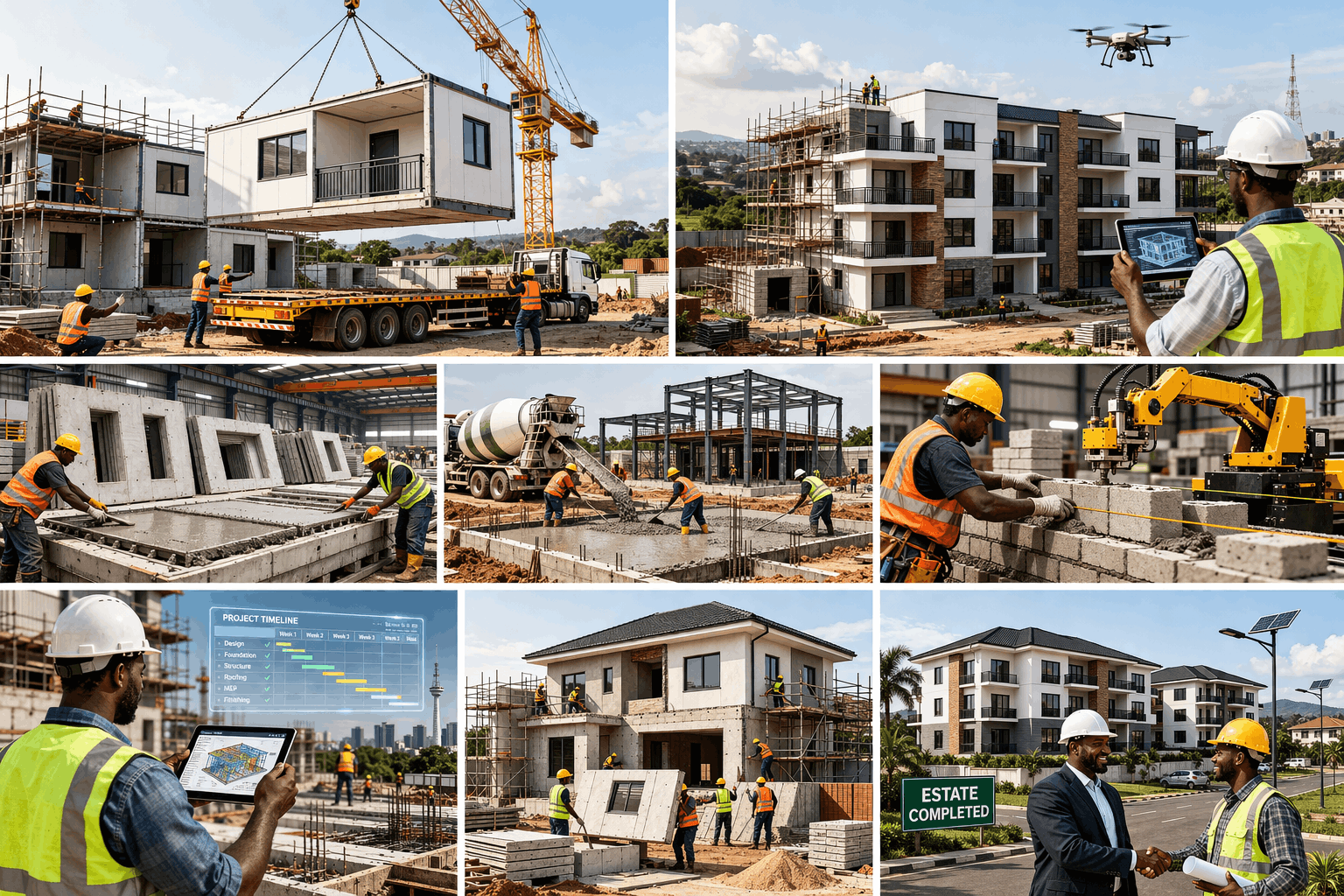
This aligns with the broader shift toward responsible development and long-term value creation, as seen in forward-thinking real estate practices that prioritize sustainability and practicality .
Collaborative and Social Spaces
Corporate offices are increasingly incorporating spaces that encourage interaction and teamwork. Open lounges, informal meeting areas, and breakout zones foster collaboration and innovation.
These spaces are designed to balance productivity with social engagement, helping to build stronger team dynamics and a positive workplace culture.
Branding Through Interior Design
Interior design is now a powerful tool for expressing corporate identity. Offices are being designed to reflect a company’s values, culture, and brand personality through colors, materials, and spatial arrangements.
Consistent branding within office spaces reinforces identity and creates a cohesive experience for both employees and visitors.
The Future of Corporate Interior Design
Corporate interior design in 2026 is centered on creating spaces that are functional, adaptable, and people-focused. As businesses continue to evolve, office environments must keep pace—supporting productivity, collaboration, and well-being in equal measure.
Organizations that invest in thoughtful, modern interior design are better positioned to attract talent, enhance performance, and remain competitive in an ever-changing business landscape.