Nigeria’s built environment is undergoing a significant transformation as sustainability becomes a central consideration in architecture and urban development. In 2026, the convergence of climate realities, rising construction costs, urban population growth, and increased awareness of environmental responsibility is driving a new wave of architectural thinking. Sustainable architecture is no longer a niche concept—it is fast becoming a necessity for developers, investors, and homeowners across the country.
Climate-Responsive Design as a Standard
One of the most prominent trends shaping sustainable architecture in Nigeria is climate-responsive design. Architects are increasingly designing buildings that respond directly to Nigeria’s tropical climate—maximizing natural ventilation, reducing heat gain, and minimizing reliance on artificial cooling systems.
This includes the use of wide overhangs, shaded courtyards, cross-ventilation strategies, and building orientations that reduce direct solar exposure. In cities like Lagos and Abuja, where heat and humidity are major concerns, such design strategies significantly improve comfort while lowering energy consumption.
Increased Use of Local and Sustainable Materials
The shift toward locally sourced building materials is gaining momentum. Materials such as laterite, compressed earth blocks, bamboo, and reclaimed wood are being embraced not only for their environmental benefits but also for their cost-effectiveness and cultural relevance.
This approach reduces the carbon footprint associated with importing construction materials while supporting local industries. It also aligns with the philosophy of companies focused on sustainability and practicality in real estate development, emphasizing long-term value and community impact .
Integration of Renewable Energy Systems
With Nigeria’s persistent energy challenges, renewable energy integration has become a defining feature of modern sustainable buildings. Solar panels, inverters, and battery storage systems are now standard inclusions in many residential and commercial developments.
Developers are designing properties that are either partially or fully off-grid, reducing dependence on unstable public power supply. This not only enhances energy reliability but also lowers long-term operational costs for occupants.
Smart and Energy-Efficient Buildings
Technology is playing a growing role in sustainable architecture. Smart building systems that monitor and optimize energy usage, lighting, and water consumption are becoming more common, especially in high-end developments.
Energy-efficient lighting, motion sensors, and automated climate control systems help reduce waste and improve overall building performance. These innovations are gradually filtering into mid-range housing projects as costs become more accessible.
Water Conservation and Management Systems
Water scarcity and urban flooding have made water management a critical aspect of sustainable design in Nigeria. Modern buildings are increasingly incorporating rainwater harvesting systems, greywater recycling, and efficient drainage solutions.
These systems not only conserve water but also help mitigate flooding—an issue particularly prevalent in coastal cities like Lagos. Sustainable estates now prioritize proper site planning to ensure effective water flow and storage.
Compact and Mixed-Use Developments
Urban density is driving the rise of compact and mixed-use developments, where residential, commercial, and recreational spaces coexist within a single environment. This reduces the need for long commutes, lowers transportation emissions, and promotes more efficient land use.
Projects such as modern estate developments with integrated housing clusters demonstrate this approach, combining functionality with sustainability in both planning and execution .
Green Spaces and Biophilic Design
There is a growing emphasis on incorporating nature into architectural design. Green roofs, vertical gardens, landscaped courtyards, and urban green belts are becoming key features in new developments.
Biophilic design—connecting occupants with nature—improves mental well-being, enhances air quality, and creates more livable environments. In densely populated urban areas, these features are no longer luxuries but essential components of sustainable living.
Affordable Sustainable Housing Solutions
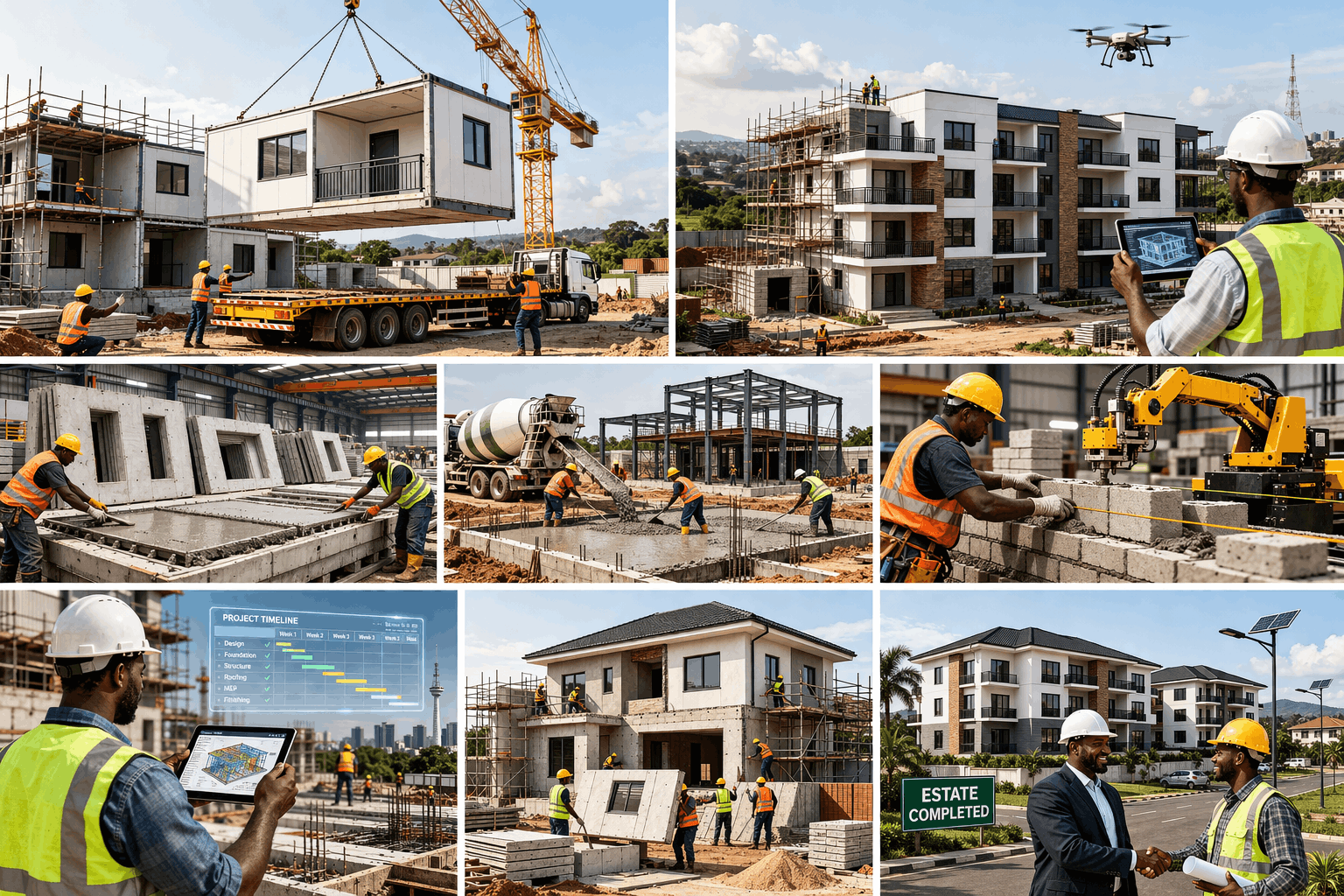
A major shift in 2026 is the focus on making sustainable housing accessible to a broader population. Developers are exploring cost-effective building techniques and modular construction methods to deliver eco-friendly homes at scale.
The goal is to bridge the housing deficit in Nigeria while ensuring that sustainability is not limited to luxury developments. Practical, durable, and energy-efficient housing solutions are becoming central to the mission of forward-thinking real estate firms.
Policy Influence and Green Building Awareness
Government policies and regulatory frameworks are gradually supporting sustainable practices. While still evolving, there is increasing advocacy for building codes that promote energy efficiency, waste reduction, and environmental responsibility.
At the same time, awareness among clients and investors is growing. More people now recognize that sustainable buildings offer long-term financial and environmental benefits, making them more attractive investments.
The Future of Sustainable Architecture in Nigeria
Sustainable architecture in Nigeria is no longer just about environmental responsibility—it is about resilience, efficiency, and long-term value. As climate challenges intensify and urbanization accelerates, the demand for smarter, greener, and more adaptable buildings will continue to rise.
Developers, architects, and policymakers who embrace these trends are not only shaping the future of Nigeria’s cities but also redefining what it means to build for sustainability in a rapidly evolving world.